The honest answers your pet deserves.
What’s really in the bowl, which foods are safe, and what the label isn’t telling you — explained plainly and backed by veterinary sources.
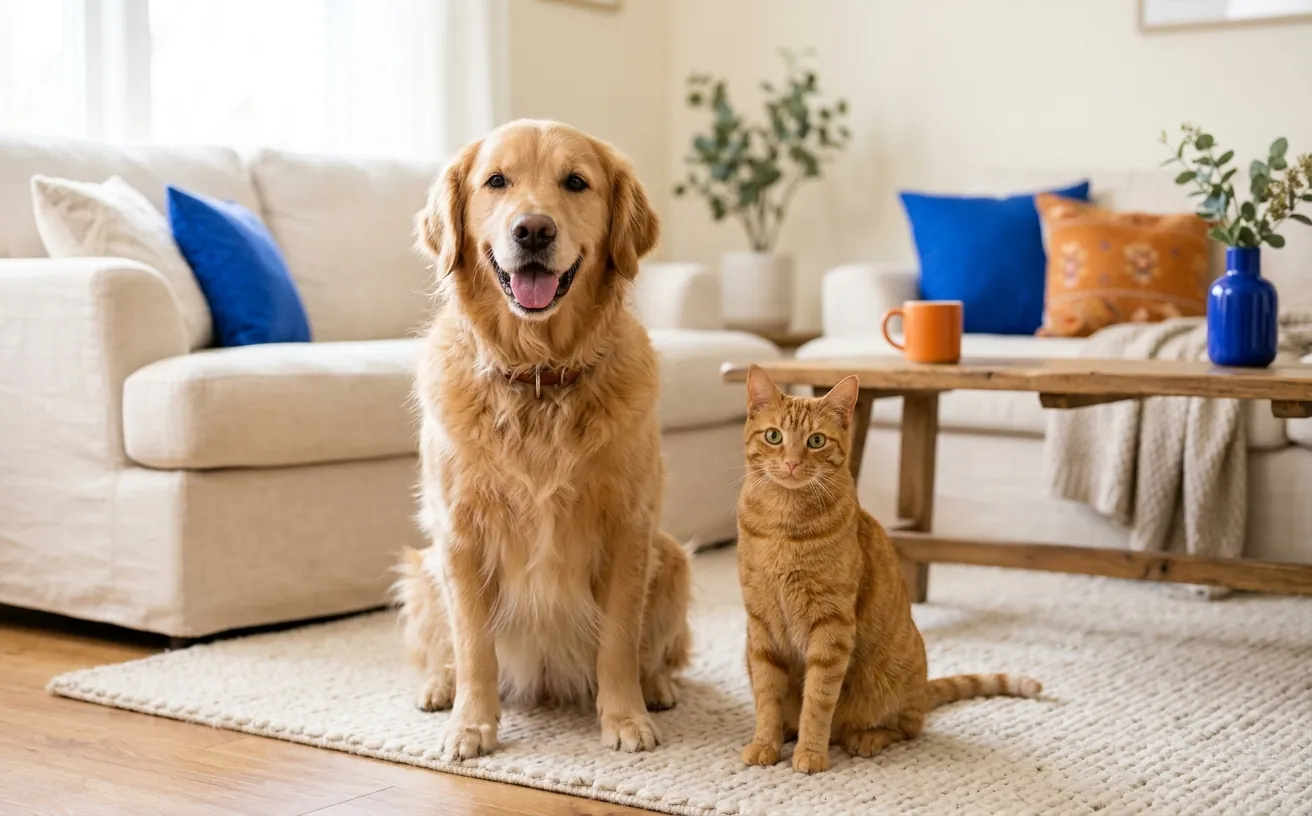
 DogsWhat’s safe to share — and what isn’t
 CatsGuides for cats are on the way
Can my pet eat…?
Quick verdicts on everyday foods, with the why behind each one.
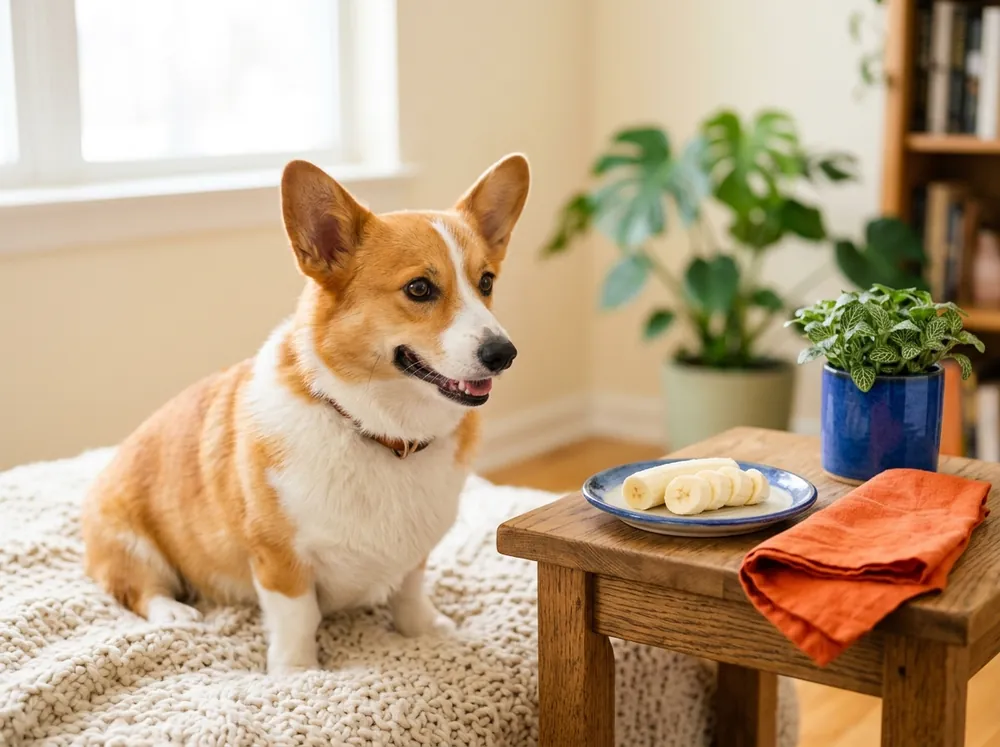 BananasYes · in moderationSmall pieces as an occasional treat. High in sugar.Read the full answer →
 BlueberriesYesA small, low-calorie treat for most dogs.Read the full answer →
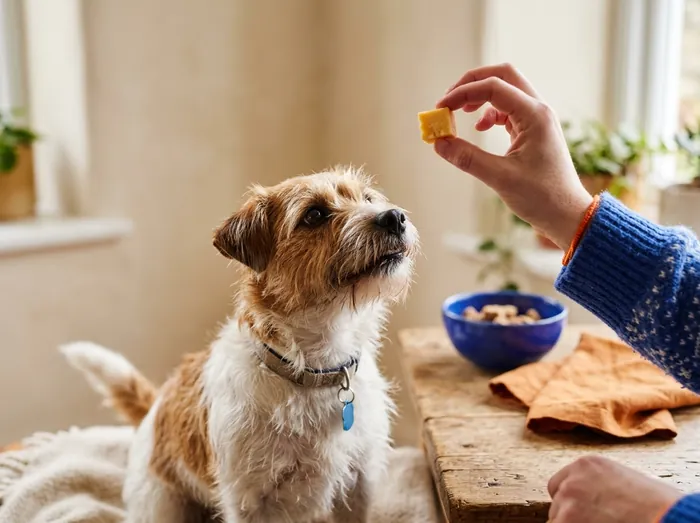 CheeseSmall amountsFatty, and some dogs don’t digest lactose well.Read the full answer →
 Grapes & raisinsNo · toxicLinked to kidney injury in dogs. No known safe amount.Read the full answer →
 ChocolateNo · toxicTheobromine and caffeine. Dark chocolate is the most dangerous.Read the full answer →
 ApplesYes · no core or seedsSlice it and remove the core and seeds first.Read the full answer →
 Onions & garlicNo · toxicCan damage red blood cells in dogs and cats.Read the full answer →
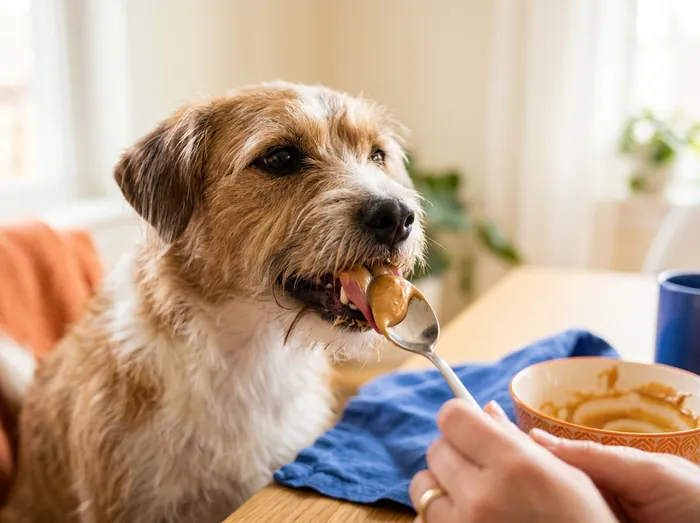 Peanut butterCheck the labelNever a brand with xylitol, which is toxic to dogs.Read the full answer →
What’s actually in the bag?
We’re breaking pet food ingredients down one by one — what they are, why they’re there, and what the research says.
See what’s coming →Meat by-products
Cheap filler or nutritious organ meat? It depends on what’s behind the term.
Breakdown in progressPeas & lentils
Why vets started asking questions about some grain-free diets and heart health.
Breakdown in progressTaurine
Essential for cats — and why it shows up on so many dog food labels too.
Breakdown in progressGrain-free
Real benefit or clever marketing? What the evidence actually supports.
Breakdown in progressHow we check every fact
Real sources
Veterinary references, peer-reviewed studies and poison-control guidance — linked at the end of every article.
Kept up to date
Each article shows when it was last reviewed, so you know how current the advice is.
No paid verdicts
Brands can’t buy a better answer. If we ever earn from a link, the page will say so.
Written for pets like these




Pet ate something it shouldn’t?
Don’t wait for symptoms. Call your veterinarian or the ASPCA Animal Poison Control Center (a consultation fee may apply).